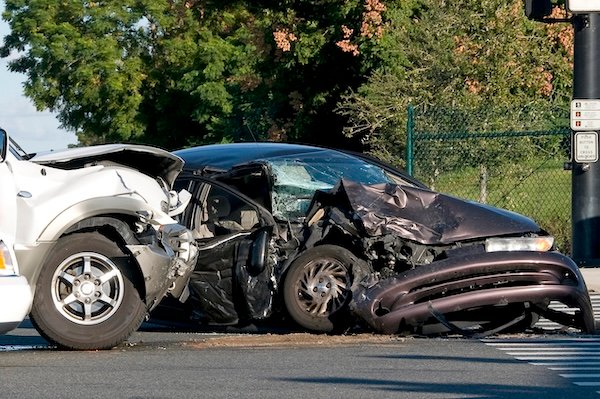

Orangeburg sits at a busy crossing point in South Carolina, where I-26 traffic, US-301, and a steady flow of local commuters converge every day. That mix of highway speeds, agricultural trucks, and everyday commuter traffic makes the area more prone to serious collisions than a lot of drivers realize — and when one happens, the aftermath rarely unfolds the way people expect. That’s usually the point where someone starts looking for an auto accident lawyer in Orangeburg SC and realizes just how much there is to sort out beyond the initial fender-bender paperwork.
Why Orangeburg’s Roads Present Their Own Risks
A lot of the collisions handled in this part of South Carolina don’t look like typical fender-benders. Interstate on-ramps and merge points along I-26 create high-speed impact scenarios, and the corridor sees heavy commercial truck traffic moving agricultural goods and freight between Charleston and the Midlands. A passenger vehicle colliding with a loaded tractor-trailer produces a very different injury profile than a low-speed parking lot bump, and insurance companies tend to fight harder over these larger claims precisely because the dollar amounts involved are bigger.
Rural stretches of highway around Orangeburg also mean longer emergency response times in some areas, along with intersections that lack the traffic control infrastructure found in bigger cities. Left-turn collisions at rural intersections and highway on-ramp merges show up again and again in local accident reports.
The Insurance Company Isn’t on Your Side, Even When It’s Polite
One of the more common misunderstandings after an accident is assuming that a friendly, responsive insurance adjuster is working toward a fair outcome. Adjusters are trained negotiators whose job includes minimizing payouts, and a calm, helpful tone doesn’t change that underlying incentive. Early settlement offers, especially ones that arrive within the first week, are frequently calculated before the full scope of an injury — including things like whiplash symptoms that worsen over subsequent days, or a herniated disc that doesn’t show up clearly until an MRI weeks later — has even been established.
Recorded statements are another area where caution matters. An adjuster asking someone to describe “what happened” in their own words, days after a collision and before treatment is complete, can produce a version of events that later contradicts medical findings or gets used to argue the injury wasn’t as serious as claimed.
Commercial Trucks Add a Layer of Complexity
Collisions involving commercial trucks near Orangeburg raise questions that don’t come up in a typical two-car accident. Trucking companies often carry much higher insurance policy limits, but they also have legal teams and investigators who move quickly to gather evidence favorable to the company — sometimes within hours of a crash. Federal trucking regulations around driver hours, vehicle maintenance logs, and cargo weight limits can all become relevant to establishing fault, and evidence like electronic logging device data can be overwritten or lost if it isn’t preserved promptly.
See also: Swimming Pool Membership Software: Simplifying Access, Payments, and More
South Carolina’s Fault Rules Matter More Than People Think
South Carolina uses a modified comparative negligence system, meaning a driver who was partly at fault for a collision can still recover compensation, provided their share of responsibility doesn’t exceed 50%. This matters enormously in intersection accidents and merge-related collisions, where fault often isn’t clear-cut and insurance companies will frequently try to assign a driver more blame than the facts support in order to reduce or deny a payout.
What to Do in the Immediate Aftermath
A few steps tend to make a meaningful difference in how a claim eventually plays out:
- Get medical evaluation immediately, even if symptoms feel minor at first
- Document the scene with photos of vehicle damage, road conditions, and any visible injuries
- Avoid giving a recorded statement to any insurance company before understanding the full extent of the damage and injuries
- Keep records of missed work, medical bills, and any ongoing symptoms
- Get legal guidance early, particularly for truck collisions or accidents with unclear fault
Why Local Familiarity Makes a Difference
South Carolina’s rural highway accidents come with their own patterns — the same intersections, merge points, and stretches of road show up repeatedly in local accident histories, and insurance adjusters who regularly handle claims in this specific region negotiate differently than they do in dense urban markets. A firm with direct experience in Orangeburg and the surrounding Midlands area, like Solomon Law SC, tends to have a clearer read on how local claims typically resolve, which matters when deciding whether an early settlement offer is fair or worth pushing back on.
Nobody expects to end up dealing with a collision on their daily commute, and the paperwork, medical appointments, and insurance calls that follow can feel overwhelming on top of physical recovery. Understanding the process before signing anything — and knowing which early decisions actually carry weight later — tends to make the difference between a fair outcome and a rushed one.