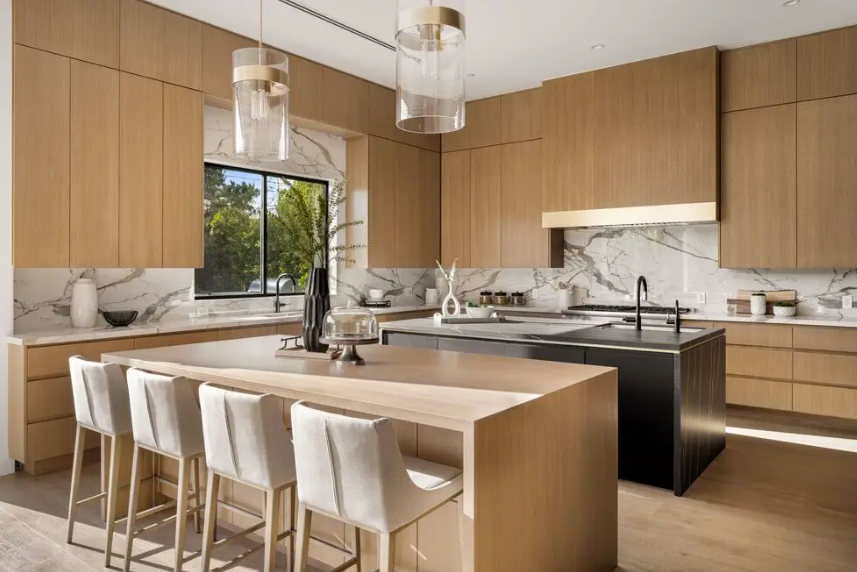

A kitchen can look attractive yet feel difficult to use when storage, movement, and work areas are poorly planned. This is why homeowners often turn to kitchen design companies in Dubai when they want cabinetry that fits the space, supports daily routines, and works as part of a complete kitchen design.
Custom cabinetry is more than a set of cupboards. It can determine how easily items are stored, how clearly the kitchen is organised, and how comfortably people move between cooking, preparation, and cleaning zones. When planned carefully, cabinetry becomes one of the room’s most practical elements.
Understanding the Role of Custom Cabinetry
Custom cabinetry is planned around a kitchen’s specific dimensions and requirements rather than relying entirely on fixed cabinet sizes. It considers available wall space, storage needs, appliance placement, and the way different areas of the kitchen are used.
Its role is to bring these elements together in a practical and visually connected arrangement. By giving greater control over cabinet sizes, internal storage, finishes, and placement, custom cabinetry can help create a kitchen that feels organised and suited to the household’s everyday routines.
See also: Laser Genesis: Advanced Skin Rejuvenation Overview
Making Better Use of Available Space
Every kitchen has areas that can become difficult to use, including narrow corners, gaps beside appliances, or walls with unusual dimensions. Custom cabinetry can be planned to work with these conditions instead of leaving valuable space unused.
- Corner storage
- Tall cabinets
- Appliance housing
- Deep drawers
- Vertical shelving
- Specialised compartments
Improving Everyday Kitchen Workflow
Cabinetry affects more than storage because its position influences how people move through the kitchen. A well-considered arrangement can place everyday tools, ingredients, and cookware closer to the areas where they are needed.
Professionally planned cabinetry can also support a smoother relationship between preparation, cooking, and cleaning areas. For homeowners comparing kitchen design companies in Dubai, this functional approach matters because the cabinet plan should work with the overall kitchen rather than being treated as an isolated feature.
Custom Cabinetry Choices That Shape the Experience
The value of custom cabinetry becomes clearer when individual elements are selected according to specific needs. Doors, drawers, shelves, finishes, and internal arrangements all influence how the kitchen performs.
1. Choosing Cabinet Door Styles
Door profiles contribute to the overall visual character of the kitchen. Simple surfaces can create a clean appearance, while more detailed designs may suit traditional interiors. The important point is to select a style that works with the wider room rather than competing with countertops, flooring, or other finishes.
2. Planning Drawer Configurations
Drawers can make frequently used items easier to access because their contents are visible from above. Different depths can be assigned to different categories, such as utensils, cookware, or larger kitchen tools. This makes the storage system more intentional and reduces the need to search through mixed contents.
3. Using Vertical Storage Effectively
Tall cabinets can provide useful storage without taking additional floor area. They can accommodate larger items, pantry supplies, or appliances that are not required for every meal. Vertical planning is particularly useful when wall space is limited but ceiling height provides another opportunity for storage.
4. Creating Dedicated Storage Zones
Dividing cabinetry into clear zones can help keep similar items together. A baking section, cookware area, or breakfast storage zone can make everyday tasks easier because related items remain close to one another. This simple organisation can also make it easier to return items to their proper place.
5. Integrating Appliances Carefully
Cabinetry can be planned around appliances so that the kitchen has a more connected appearance. Proper coordination is important because cabinet dimensions, appliance positions, and surrounding clearances need to work together. When these elements are considered early, the final kitchen can feel more cohesive and practical.
Balancing Materials, Finishes, and Durability
Cabinetry needs to withstand frequent opening, closing, cleaning, and everyday handling, so material selection plays an important role in its long-term performance. At the same time, the finish contributes to the overall visual character of the kitchen. Bringing both aspects together helps create cabinetry that looks cohesive while remaining suitable for regular use.
- Choose materials suited to frequent kitchen use
- Select finishes that complement the overall interior
- Consider surfaces that are practical to maintain
- Match cabinet finishes with countertops and other elements
- Prioritise quality hardware for regular movement
- Balance visual appeal with long-term functionality
When these choices are considered together, cabinetry can remain visually consistent while supporting everyday demands. A thoughtful combination of materials and finishes also helps the kitchen feel complete rather than visually disconnected.
Supporting a More Personal Kitchen Design
Custom cabinetry gives homeowners greater control over how their kitchen reflects their routines and preferences. Someone who cooks frequently may need more accessible cookware storage, while another household may prioritise pantry organisation or concealed appliance areas.
The advantage is that cabinetry can become part of a larger design idea instead of being selected separately. Colours, textures, lighting, storage, and finishes can be considered together to create a kitchen that feels connected.
Why Professional Planning Matters
Custom cabinetry requires careful coordination because the design must eventually be built and installed accurately. Measurements, materials, appliance positions, service requirements, and finishing details all need to work together.
- Accurate measurements
- Clear storage planning
- Appliance coordination
- Material selection
- Practical cabinet proportions
- Installation planning
A professional process can reduce conflicts between design and execution. It can also help homeowners understand how their choices affect the finished kitchen before installation begins.
Conclusion
Custom cabinetry can change the kitchen experience by turning unused areas into purposeful storage, improving access to everyday items, supporting smoother movement, and giving the room a more unified appearance. Its real value comes from how well it responds to the people using the kitchen, rather than from appearance alone.
For homeowners seeking a tailored kitchen experience, Haifa Renov8 provides customised kitchen planning and fit-out solutions that bring cabinetry, finishes, and practical requirements together in a cohesive space. Choosing a modular kitchen company in Dubai can also help homeowners create a structured approach to cabinetry, materials, and installation while keeping the overall design aligned with everyday needs.