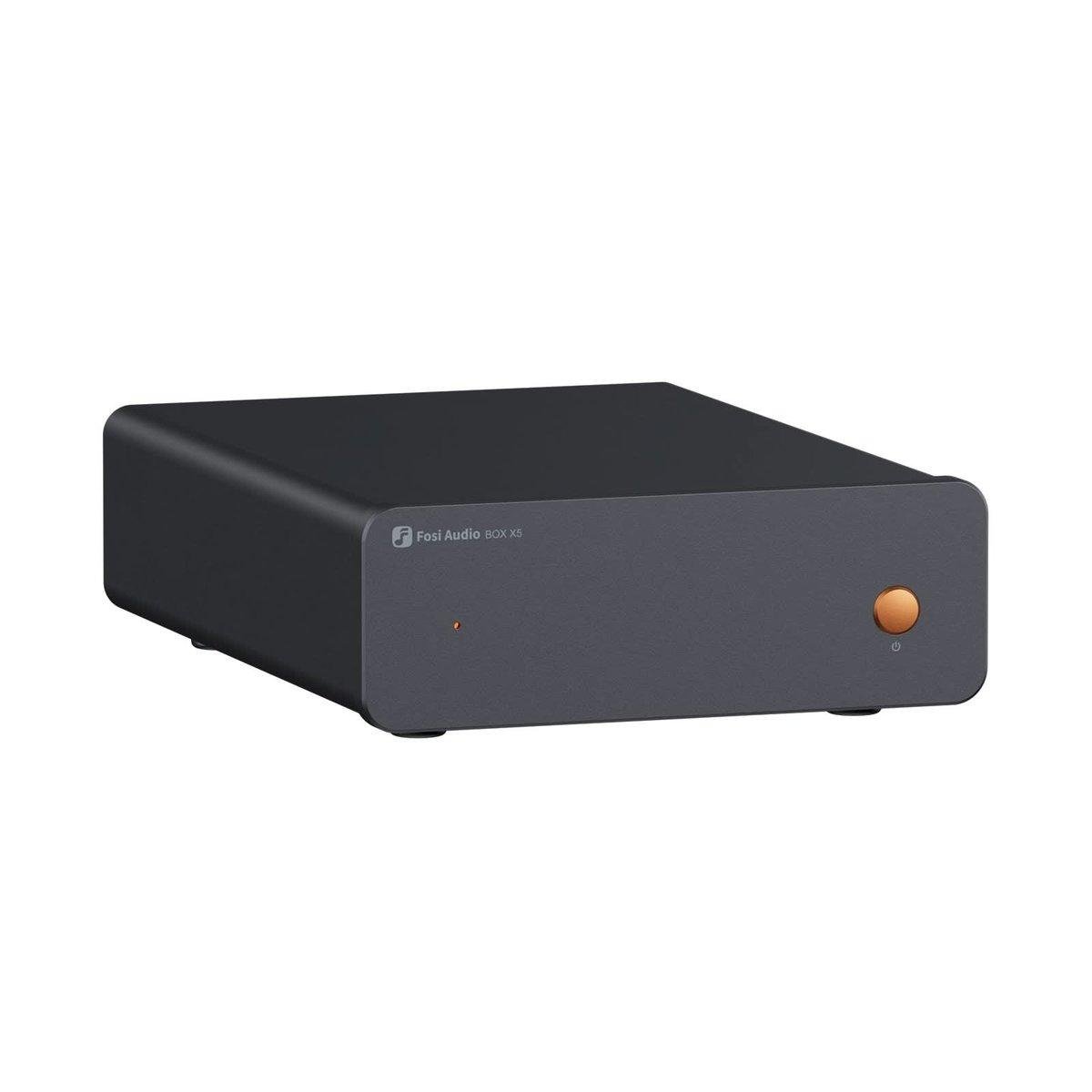

If you are new to vinyl, the phrase turntable phono preamp probably sounds like technical jargon. It is, in fact, one of the most important parts of any record-playing setup. Without it, your turntable cannot produce proper sound at all. This guide explains what a turntable phono preamp is, why every record player needs one, and how to make sure your system has one working correctly.
What a Turntable Phono Preamp Does
A turntable phono preamp has two jobs. First, it amplifies the extremely weak signal produced by the cartridge, the small device at the end of the tonearm that reads the groove. That signal is only a few thousandths of a volt, far too weak for an amplifier to use directly. the turntable phono preamp boosts it up to line level, the standard strength that amplifiers, receivers and powered speakers are designed to accept.
Second, it applies a correction called RIAA equalisation. When a record is made, the bass is reduced and the treble is boosted so that the grooves can be cut close together and a full album side can fit on the disc. the turntable phono preamp reverses this process, restoring the bass and softening the treble so the music sounds natural. Without this correction, records would sound thin, bright and completely lacking in low end. Every turntable phono preamp performs both of these jobs, whether it is built into the turntable, built into the amplifier, or sitting in a separate box.
Where Is the turntable phono preamp in Your System?
Many beginners do not realise they already own a phono preamp. It may be built into the amplifier, in which case the amplifier will have an input labelled phono. Or it may be a separate box connected between the turntable and the amplifier.
If your turntable has a built-in phono preamp, you can connect it to any line input on your amplifier, such as AUX or CD, and it will work straight away. If it does not, and your amplifier has no phono input either, you need a separate turntable phono preamp to complete the chain. Check your manuals before buying anything, since many people already have a phono stage without knowing it.
Why the Sound Is Wrong Without One
Connecting a turntable directly to a line input without a phono preamp produces a very distinctive and unpleasant result. The music will be extremely quiet, because the signal has not been boosted. It will also sound thin and tinny, because the RIAA equalisation has not been applied. The bass disappears almost entirely, and the treble sounds harsh and exaggerated.
If your records sound like this, the chances are that the turntable phono preamp is missing from the chain, switched off, or connected incorrectly. Check that the turntable is plugged into the phono preamp input, that the phono preamp output goes to a line input, and that any built-in stage is switched on if you are relying on it.
See also: How Multi-Factor Authentication Enhances Security
Built-In or Separate: What Is the Difference?
A built-in phono preamp is convenient and costs nothing extra, and for a first system it is perfectly adequate. It will play your records at the right volume and with the correct tonal balance. However, built-in stages are usually designed to a tight budget, sharing space and power with other circuits, and they can add noise and lose detail.
A separate turntable phono preamp has its own dedicated circuit, its own power supply and usually better components. The result is a quieter background, fuller bass and more detail in the music. For many listeners, adding a separate phono preamp is the most noticeable upgrade they can make, and it often costs less than a new cartridge or a new pair of speakers.
5 Things Every Beginner Should Know
- Every turntable needs a phono preamp: it is not optional, and the music will not sound right without one.
- It may already be built in: check your turntable and amplifier before buying a separate unit.
- Never use two at once: running the signal through two phono stages causes heavy distortion.
- The ground wire matters: a loose ground connection is the most common cause of hum.
- A separate unit sounds better: a dedicated phono preamp is one of the best-value upgrades in hi-fi.
Getting Started the Right Way
If you are setting up your first vinyl system, keep it simple. Use the built-in phono preamp if your turntable or amplifier has one, and enjoy your records. When you are ready to improve the sound, a separate turntable phono preamp is the natural next step. Choose one that matches your cartridge type, connect it to a line input, attach the ground wire, and listen to the difference.
There is no need to spend a fortune. Affordable phono preamps from respected hi-fi makers now offer performance that would have been considered excellent at several times the price only a few years ago. Start with a solid, well-reviewed model and let your ears guide any future upgrades.
Frequently Asked Questions
Does every turntable have a phono preamp?
Not every turntable has one built in, but every turntable needs one somewhere in the chain. It may be inside the turntable, inside the amplifier, or in a separate box.
Can I connect a turntable to a Bluetooth speaker?
Only if the speaker has a line input and you use a phono preamp between the turntable and the speaker. A turntable cannot connect directly to a speaker’s Bluetooth input.
Why do my records sound quiet and tinny?
That is the classic sign of a missing phono preamp. The signal has not been amplified and the RIAA equalisation has not been applied, so the sound is faint and thin.
Final Thoughts
A turntable phono preamp is the unsung hero of every vinyl system. It takes the tiny, fragile signal from the cartridge, boosts it to a usable level and restores the tonal balance that record cutting deliberately alters. Whether it is built into your turntable, built into your amplifier or sitting in a separate box, it is the component that makes your records sound like music. Understand it, connect it correctly, and your vinyl collection will reward you every time the needle drops.