
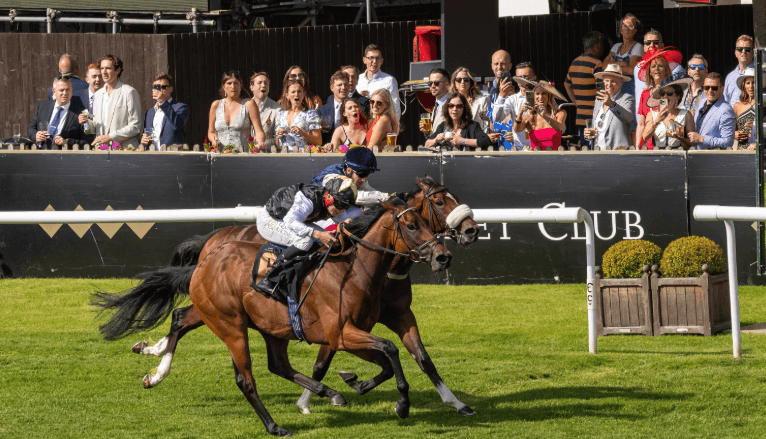
The art of horse racing training encompasses a multifaceted approach that integrates various elements of equine care. Understanding equine behavior is essential for building a strong bond between horse and trainer. Additionally, physical conditioning, nutrition, and psychological strategies play pivotal roles in preparing a horse for the rigors of competition. Each aspect influences the overall performance, raising questions about the optimal balance required for success. What specific techniques can enhance this intricate process?
Understanding Equine Behavior and Bonding
Understanding equine behavior and the process of bonding is crucial for effective horse racing training, as it lays the foundation for trust and cooperation between horse and trainer.
By delving into equine psychology, trainers can foster trust building, allowing for a more harmonious relationship.
This understanding not only enhances training outcomes but also empowers both horse and trainer, promoting a sense of freedom and mutual respect.
Physical Conditioning and Training Techniques
Building a solid foundation of trust and cooperation is only the beginning of effective horse racing training; physical conditioning and targeted training techniques play a pivotal role in preparing horses for the demands of racing.
Incorporating cardio workouts enhances stamina, while strength training develops muscle power.
These tailored approaches ensure that horses are both physically fit and mentally prepared, maximizing their potential on the racetrack.
See also: Key Tips for Horse Racing Fans
Nutrition and Its Impact on Performance
While physical conditioning lays the groundwork for a horse’s racing ability, nutrition serves as the fuel that drives performance on the track.
Feed quality directly influences a horse’s energy levels and recovery, while effective hydration strategies prevent fatigue and maintain peak condition.
Properly balanced nutrition not only enhances speed and stamina but also supports overall health, enabling horses to perform at their best.
Psychological Preparation for Racing Success
Success in horse racing extends beyond physical prowess; mental fortitude plays a crucial role in a horse’s performance on the track.
Developing mental resilience is essential, as it enables horses to adapt to high-pressure situations. Trainers often employ visualization techniques, allowing horses to mentally rehearse their races, enhancing focus and confidence.
This psychological preparation fosters a winning mindset, vital for achieving racing success.
Conclusion
In conclusion, the art of horse racing training is a delicate dance that intertwines understanding equine behavior, rigorous physical conditioning, balanced nutrition, and psychological fortitude. This multifaceted approach fosters an unbreakable bond between horse and trainer, transforming them into a formidable team on the track. When executed flawlessly, the synergy of these elements can propel a horse to dizzying heights of greatness, as if they were galloping on clouds, leaving both competitors and spectators in awe of their prowess.