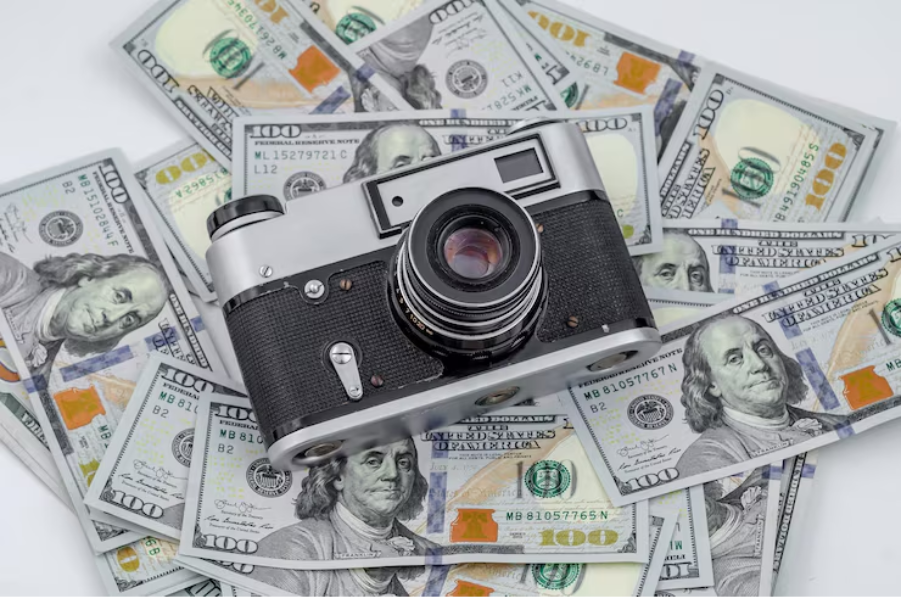

For photographers, better equipment can improve image quality, expand services, and help handle demanding assignments. But paying for new cameras, lenses, lighting, computers, or editing tools directly from business reserves can leave too little cash for everyday needs. The answer is to separate equipment spending from working capital by using financing strategically. Business loans for photographers can provide access to funds for major purchases while allowing cash reserves to remain available for regular business expenses. With a clear equipment plan and careful repayment assessment, photographers can upgrade their setup without putting day-to-day operations at risk. Giggle Finance can also be considered as part of a broader funding strategy for eligible photography businesses.
Why Equipment Upgrades Can Put Working Capital Under Pressure
Photography businesses have a unique relationship with equipment. A camera body may be central to the work, while lenses, lighting systems, memory cards, storage drives, computers, and editing software all support the final product. Replacing or adding several pieces at once can quickly consume business reserves.
Working capital serves a different purpose. It helps cover recurring business needs such as transportation, insurance, studio expenses, software subscriptions, marketing, client meetings, repairs, and other operating commitments. If too much cash is directed toward equipment, a photographer may have fewer funds available when an unexpected business expense appears.
This is why financing can be useful. Instead of using all available cash for an equipment purchase, a photographer can consider funding that spreads the financial obligation across a manageable repayment structure. The goal is not simply to obtain new gear. It is to preserve enough liquidity to keep the business operating smoothly.
Start With the Business Need, Not the Equipment List
An equipment upgrade should solve a specific business problem. Buying new gear simply because it is newer may not improve revenue or workflow enough to justify taking on additional financial obligations.
Before seeking financing, identify what is holding the business back. Perhaps an older camera limits performance in low-light environments. Maybe a second camera is needed for event work. A faster computer could reduce editing bottlenecks, while additional lighting equipment could make studio sessions more efficient.
Ask yourself three practical questions:
- What business problem will the equipment solve?
- How will the equipment support current services or new bookings?
- Can the business comfortably manage repayment alongside regular expenses?
This approach creates a stronger connection between borrowing and business activity. It also makes it easier to distinguish a productive upgrade from an unnecessary purchase.
Consider Different Financing Structures
Photographers have several ways to fund equipment, and each structure works differently. Understanding the differences can help you choose an option that fits your business finances.
A traditional business loan provides a defined amount of capital that is repaid according to agreed terms. This can be useful when you know exactly how much funding is required for a planned equipment purchase.
Equipment financing is designed specifically around business equipment. Depending on the agreement, the equipment itself may serve as collateral. This can make the structure suitable for photographers purchasing cameras, lenses, computers, lighting systems, or other qualifying assets.
A business line of credit works differently. Instead of receiving all available funds at once, you have access to a predetermined credit limit and generally draw funds when needed. This can be useful for photographers who face irregular equipment repairs or purchases.
Some photographers also consider small business loans for photographers when they need funding for equipment alongside broader business needs. The important point is to compare the repayment structure, qualification requirements, fees, collateral terms, and total financial obligation before accepting an offer.
Protect Working Capital with a Separate Equipment Budget
One of the simplest ways to avoid draining cash reserves is to establish separate financial buckets for operating money and equipment spending.
Your operating reserve should remain focused on keeping the business running. Equipment financing, on the other hand, should be tied to the specific asset or business purpose being funded.
For example, if you receive financing for a new camera system, avoid allowing those funds to gradually disappear into unrelated expenses. Keeping the borrowed funds aligned with their intended purpose makes financial tracking easier and helps you understand the return generated by the upgrade.
A separate equipment budget can also make future planning easier. When you know which assets need replacement or maintenance, you can prepare for them instead of making rushed decisions after equipment fails.
Match the Financing to Your Revenue Pattern
Photography income is not always consistent. Wedding photographers may have busy and quiet periods. Commercial photographers may receive larger assignments separated by slower stretches. Portrait photographers can experience changes in demand based on seasons, holidays, and local events.
Your financing decision should account for these patterns.
Look at your business bank statements and review how revenue moves through the year. Identify periods of stronger bookings and periods when cash inflows are lower. Then consider how a repayment obligation would fit into those cycles.
A financing structure that looks manageable during a strong booking period may feel very different during a quieter period. Building your decision around actual cash flow rather than optimistic projections can help reduce the chance of creating a payment obligation that interferes with essential operating expenses.
Calculate the Business Impact Before Borrowing
Before signing a financing agreement, consider the complete financial picture. The purchase itself is only one part of the decision.
Think about maintenance, insurance, accessories, storage, software compatibility, repairs, and other expenses associated with the new equipment. A camera upgrade may also require new batteries, memory cards, lenses, or computer storage.
Next, consider how the equipment could affect business activity. Will it allow you to accept assignments that your current setup cannot handle? Could it improve turnaround times? Can it support an additional service? Will it replace an unreliable asset that has been causing interruptions?
The answers can help you judge the business value of the purchase. Financing should support an intentional business decision, not encourage unnecessary spending.
Keep Your Cash Reserve Intact
Maintaining liquidity is one of the strongest reasons to consider financing an equipment purchase. Cash gives photography business flexibility.
If a client’s payment arrives later than expected, a piece of equipment needs repair, or an important business expense appears unexpectedly. Available working capital can provide a breathing room. Using all available cash for a camera or computer removes that flexibility.
This does not mean photographers should finance every purchase. Smaller purchases that can comfortably be handled from available cash may not require financing. The better approach is to decide which expenses should come from operating funds, and which larger investments are better suited to external funding.
Improve Your Financial Records Before Applying
Lenders and financing providers commonly review information about a business before making a funding decision. Organized financial records can make that process easier and give you a clearer picture of your own financial position.
Keep business income and personal income separate from where possible. Maintain accurate bank records, track expenses consistently, and keep documentation related to equipment purchases.
It is also useful to understand your existing financial commitments. If your business already has several repayment obligations, adding another one may place unnecessary pressure on cash flow.
Strong financial organization is valuable beyond financing. It helps photographers understand which services generate the most revenue, where operating money is going, and when equipment investments make sense.
Use Financing as Part of a Larger Growth Plan
An equipment upgrade works best when it supports a broader business objective.
For example, a photographer may want to move from basic portrait sessions into commercial photography. That shift may require different lenses, lighting equipment, backup bodies, and editing capabilities. Financing can support those investments while existing working capital remains available for marketing, operations, and client-related expenses.
The same principle applies to photographers expanding into studio work, events, product photography, content creation, or specialized services.
Think of the equipment as a business tool rather than simply an asset. The value comes from how effectively it supports your work, improves your workflow, or helps you serve clients.
Review the Financing Agreement Carefully
Before accepting any financing, read the agreement in full. Pay attention to the repayment schedule, interest or financing charges, fees, collateral requirements, personal guarantees, and consequences of missed payments.
Do not focus only on the amount you can access. The repayment obligation matters just as much.
It can also help to compare multiple financing structures. A lower payment does not automatically mean a better arrangement if the overall financial obligation is higher. Similarly, a larger funding amount is not necessarily useful if you only need a smaller amount for a specific upgrade.
The right financing should fit the actual business needs and remain manageable alongside normal operating expenses.
Build a Replacement Plan for Future Gear
Equipment eventually becomes outdated, damaged, or less suitable for the type of work you perform. Instead of waiting for a major failure, create a replacement plan.
Track the condition and age of your most important equipment. Identify which assets are essential to your services and which are secondary. Set aside part of your business income for future equipment needs when practical.
This can reduce the pressure to make a large purchase unexpectedly. It also gives you more time to compare equipment choices and financing structures.
See also: How Direct Mail Helps Businesses Reach Every Home in Their Target Area
Final Thoughts
Photographers do not have to choose between upgrading essential equipment and keeping enough cash available to operate their businesses. The key is to treat equipment financing as a financial planning decision rather than simply a way to purchase new gear.
Start by identifying the business needs, assessing how the equipment can support revenue and workflow, review your cash flow, and choose a repayment structure that fits your financial pattern. Most importantly, protect the working capital that keeps your photography business moving between assignments.
With careful planning, financing can help you invest in better tools without emptying your operating reserves. If you are considering funding for an equipment upgrade, review your options carefully and make the decision based on your business needs, cash flow, and long-term goals. Contact us to learn more about funding options that may fit your photography business and help you move forward with greater financial clarity.